
Summary
A conservatory is one of the better ways to add living space to a Christchurch home, but it lives or dies on the planning. Get the climate, thermal performance, ventilation, building requirements and the connection to the rest of your house right, and you'll end up with a room that works through Canterbury's seasons and suits how you actually live. Get them wrong and you'll have a space you avoid half the year.
Done well, a conservatory changes how you use your home — a brighter living area, a quiet retreat, or somewhere to entertain. It's a practical way to bring in more natural light and open the house up to the outdoors.
At Number One Windows & Doors, our team brings nearly 50 years of combined experience in windows and doors, and we know a conservatory rests on the decisions made before anyone picks up a tool. Here are the mistakes we see most often, and how to avoid them.
Conservatory design errors that affect comfort and function
Overlooking Christchurch's climate and sunlight patterns
Position matters more than most people expect. Christchurch gives you cool winters, warm summers and daylight that shifts considerably through the year, so which way your conservatory faces shapes how comfortable it feels across the seasons.
A conservatory that catches plenty of sun will feel bright and inviting — but without the right glazing and ventilation, it turns into a glasshouse by January. That's why modern Christchurch conservatories are built with energy efficiency in mind, pairing high-performance glazing with planned ventilation to keep the temperature in check.
Not sure which way yours should face? Talk to our team — we'll walk you through what suits your site.
Choosing style before function
It's easy to fall for how a conservatory will look before working out what it's for. Second lounge? Dining area? Somewhere to entertain? A quiet home office?
That answer drives everything else — the layout, the size, the glazing, the door configurations. A conservatory built around how you'll use it becomes part of the house. One built around a picture becomes the room nobody sits in. Think about where you'll be in five years, too, so it still earns its keep.
Ignoring thermal performance
A conservatory should be comfortable in July as well as January, and thermal performance is the thing people underestimate. The glazing, the framing and the overall design all decide how well the space holds warmth in winter and sheds heat in summer.
For Christchurch homes, thermally efficient joinery makes a real difference. Thermally broken aluminium reduces heat transfer while keeping the slim, sleek look most homeowners want, and paired with quality double glazing it's the difference between a room you use year-round and one you shut the door on.
Not considering how the conservatory connects with the home
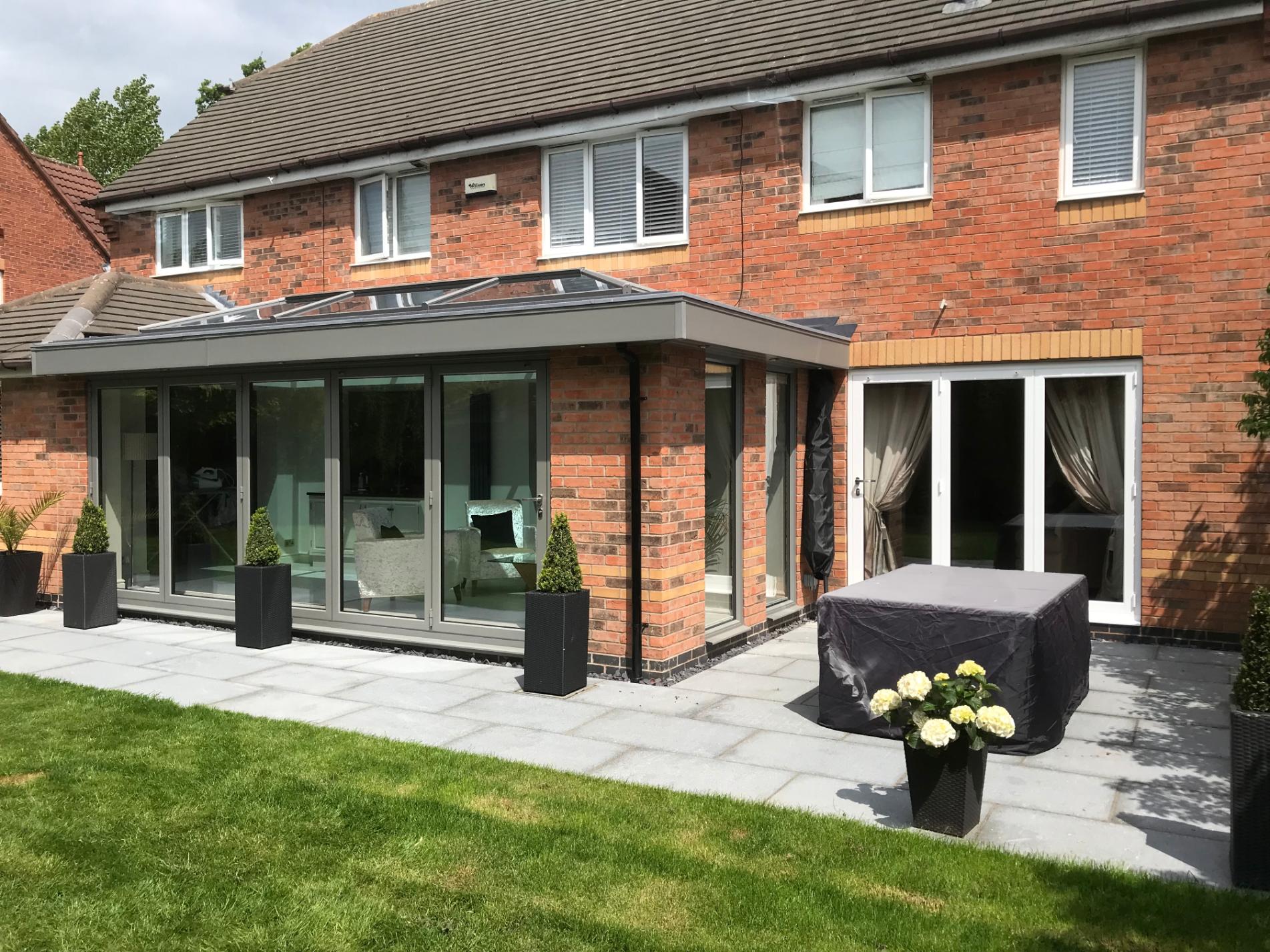
The best conservatories don't look bolted on. It's easy to focus entirely on the new part and forget it has to meet the old part — matching the existing architectural details, colours, windows and doors is what makes the join disappear.
It's why plenty of homeowners look at their existing aluminium windows and doors while they're at it. You get a cohesive look, better performance across the whole house, and a stronger link between the indoor and outdoor spaces.
Thinking about doing both at once? Get in touch and we'll quote the lot together.
Forgetting about ventilation
Light is what sells people on a conservatory. Airflow is what makes it liveable. Without enough of it, even a well-designed room gets uncomfortable the moment the weather warms up.
Opening windows, the right door configurations, and ventilation points placed where they'll actually do something all keep the space pleasant. The more you plan to use the room day to day, the more this matters.
Failing to research building requirements early
Not every conservatory follows the same rules. What's required depends on the design, the size and the scope of the work. Before you get too far down the track, check the current guidance on New Zealand's Building Performance website to see whether consent applies to your plans. Starting that early saves delays later.
Focusing only on upfront cost
Budget matters in any home project, but chasing the lowest price tends to cost you elsewhere — usually in comfort, and usually every day you use the room.
Quality glazing, durable aluminium joinery and thermally efficient framing all shape how the conservatory performs over the years. They lift the initial spend, but they're what you're buying when you buy a room you'll use in every season.
Talk to us about your conservatory
Whatever you've got in mind for your conservatory in Christchurch, get in touch and share it with us — we'll work through the plan with you, from orientation and glazing through to how it ties into the rest of your home.
Book a free consultation or call 03 599 9146.
FAQs
What is the most important factor when designing a conservatory in Christchurch?
The intended use of the space and its orientation. Both shape comfort, natural light, ventilation and how well the room functions day to day.
Are modern conservatories suitable for year-round use?
Yes. With quality glazing, proper ventilation and thermally efficient joinery, a modern conservatory is comfortable through all four seasons.
Why is thermal performance important in a conservatory?
It keeps the indoor temperature comfortable, reduces heat loss in winter, and supports better energy efficiency — which is what makes the room usable rather than seasonal.
Do conservatories require building consent in New Zealand?
It depends on the project. Requirements vary with design, size and scope, so check the current regulations and seek professional guidance where you need it.
Can a conservatory increase the value of a Christchurch home?
It can. A conservatory adds usable floor area and natural light, and buyers respond well to a genuine year-round living space rather than a room that's too hot in summer and too cold in winter. How much it contributes depends on the quality of the build, how well it integrates with the rest of the house, and the market at the time — which is why the design and thermal decisions above matter as much for resale as for everyday comfort.

%20(2048%20x%201478%20px).png)
%20(2048%20x%201478%20px)%20(3).png)
-min.webp)

