.webp)
.webp)
.webp)
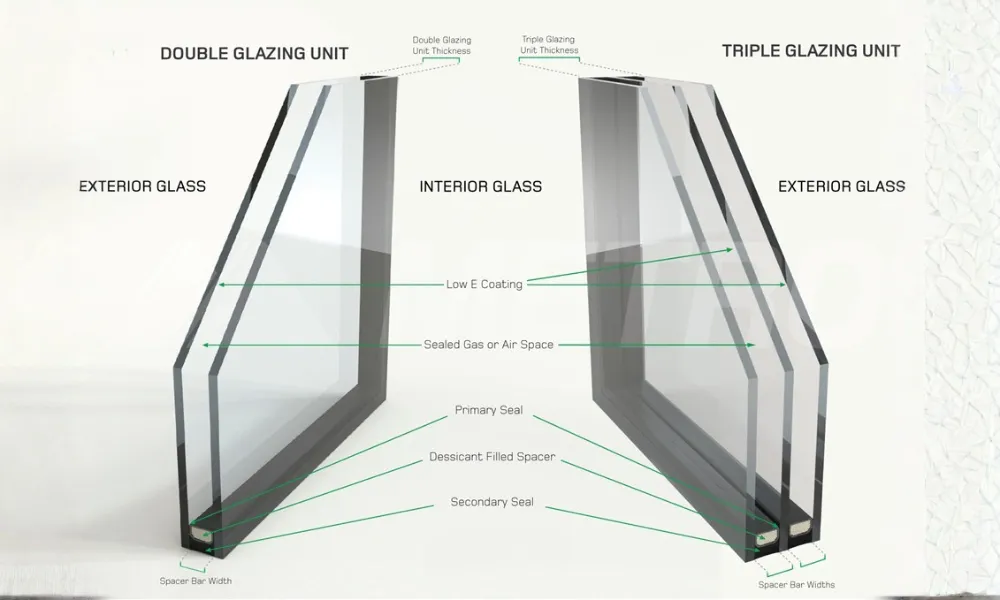
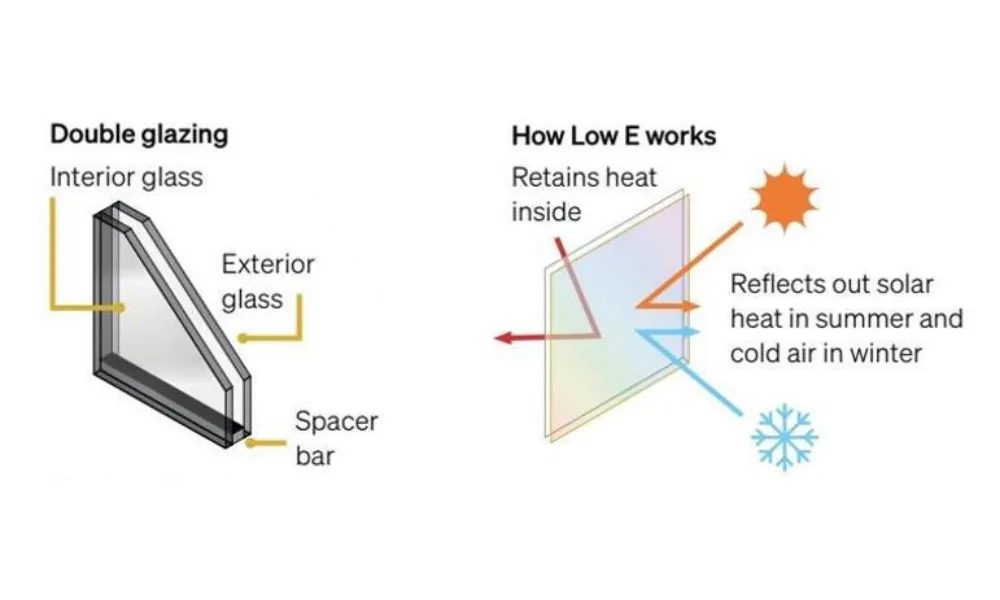
A double-glazed unit consists of two panes of glass separated by a gap, sealed at the edges. The gap (typically between 12mm and 16mm) acts as an insulating layer between the interior and exterior glass surfaces.
The key performance factors in a double-glazed unit are the width of the gap, what the gap is filled with, how the panes are separated at the edge, and whether the glass itself has any coating applied to it. A sealed unit filled with air performs considerably better than single glazing. A unit filled with argon gas, with warm edge spacers and Low E glass, performs considerably better again.
A triple-glazed unit adds a third pane of glass and a second sealed gap to the assembly. The result is a unit with meaningfully better thermal performance than double glazing, less heat transfer, less condensation on the interior glass surface, and better sound reduction.
Triple glazing is heavier than double glazing, which affects the frame and hardware specification, particularly for larger sliding and bi-fold doors. It's also a higher cost. For most Canterbury homes, a well-specified double-glazed unit with argon gas, warm edge spacers, and Low E glass will deliver strong thermal performance at a more accessible price point.
.webp)
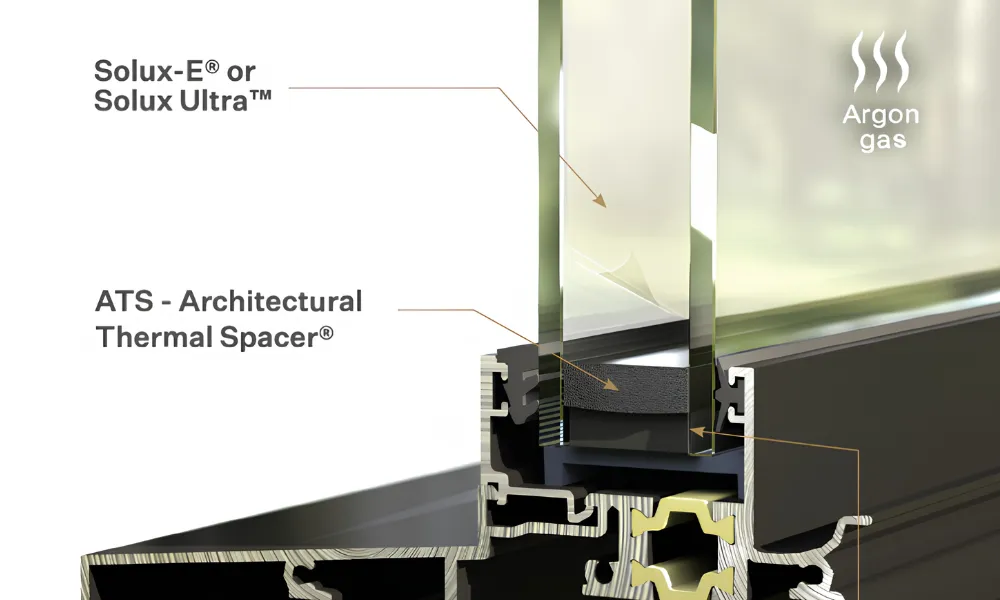
Argon gas is used to fill the gap between the panes instead of air. Argon is denser than air and conducts heat less readily, which improves the thermal performance of the unit without any change to its appearance or dimensions. It's a factory-applied addition that makes a real difference to how the unit performs in winter.
Warm edge spacers replace the standard aluminium spacer bar that sits between the panes at the edge of the unit. Standard aluminium spacers conduct heat and cold freely, they're one of the weakest points in a glazed unit's thermal performance and a common site for condensation to form around the edge of the glass. Warm edge spacers are made from a lower-conductivity material, which reduces heat transfer at the edge of the unit and significantly cuts condensation in that area.
Low E (or low emissivity) glass has a thin metallic oxide coating applied to one surface of the glass. The coating is largely invisible but has a significant effect on how the glass handles radiant heat.
In winter, Low E glass reflects heat that is radiating from inside the room back into the room rather than allowing it to pass through the glass. In summer, it reduces the amount of solar heat gain through the glass. The net effect is a unit that stays warmer in winter and cooler in summer compared to standard clear glass of the same thickness and configuration.
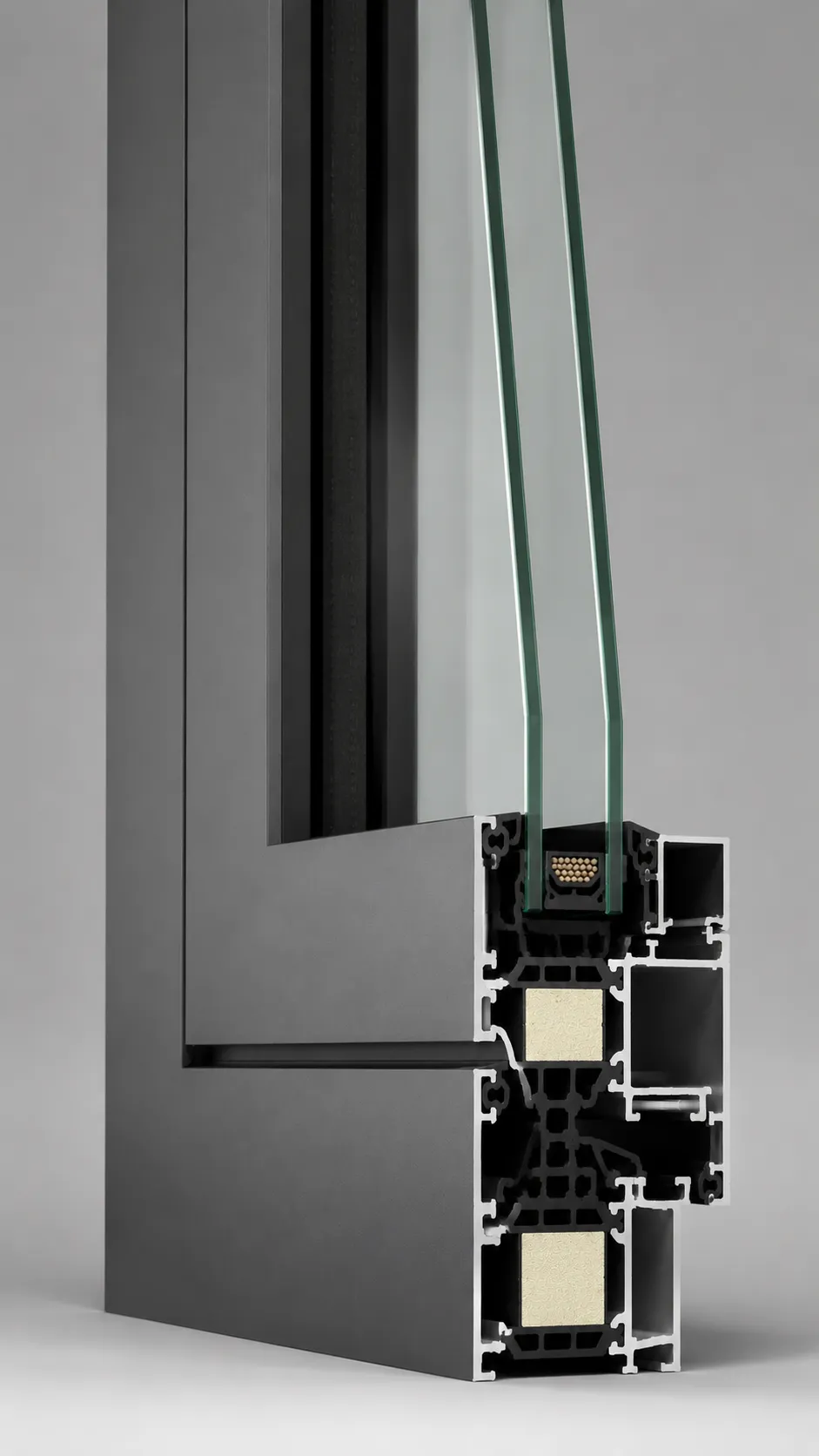
All windows and doors we supply and install at Number One Windows and Doors are double glazed as standard. Within that, the specification of the unit (the glass type, the gap fill, and the spacer) varies depending on the performance level required.
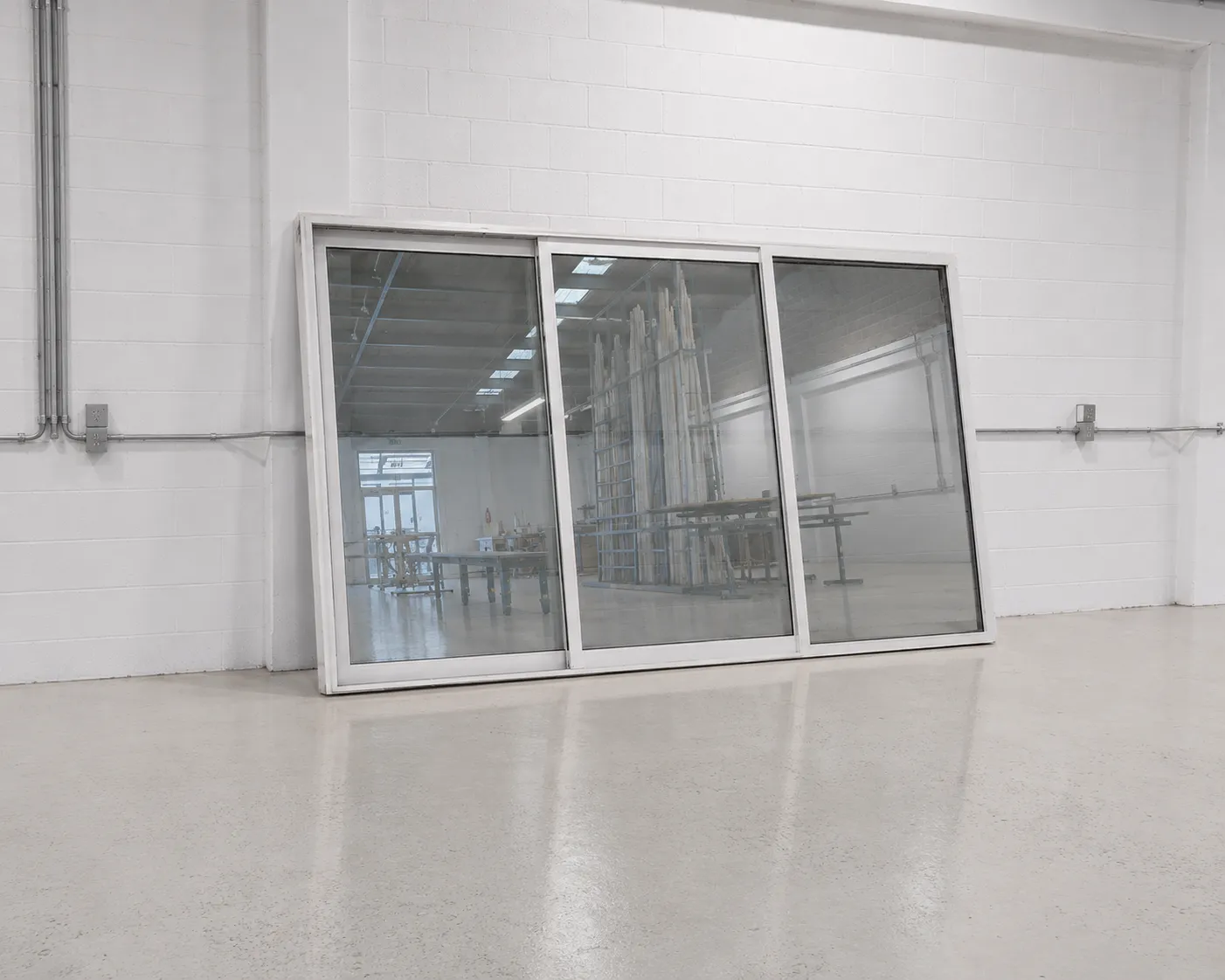
At the base level, a standard double-glazed unit with air fill and aluminium spacers performs significantly better than single glazing and is suitable for most residential applications where budget is the primary consideration.
A mid-specification unit with argon gas fill and warm edge spacers delivers meaningfully better thermal performance and condensation control at a modest additional cost, this is the specification we recommend for most Canterbury homes and is included across our current promotion.
A high-specification unit with argon gas, warm edge spacers, and Low E Xcel glass represents the best-performing double-glazed option available. It's suited to homes where energy efficiency and condensation control are the priority, particularly in south-facing rooms, heavily glazed spaces, or homes in exposed Canterbury locations.
All three specifications are available across both the 300 and 800 Series systems. The frame system and the glazed unit are specified separately and can be combined in any configuration that suits the home and the brief.
Triple glazing is available on request across our window and door range. It's most commonly specified for new builds with high thermal performance targets, for rooms with significant noise exposure, or for homes in particularly exposed Canterbury locations where standard double glazing doesn't meet the performance brief.
A triple-glazed unit adds a third pane and a second sealed, gas-filled cavity to the assembly. The thermal performance improvement over a well-specified double-glazed unit is real but incremental. The bigger performance gains in a Canterbury home typically come from moving from a poorly specified double-glazed unit to a well-specified one, rather than from doubling to tripling.
Triple glazing is heavier, which affects frame and hardware selection, particularly for larger sliding, stacking, and bi-fold door configurations where panel weight is already a consideration. Our team will advise on whether the frame system you're specifying is appropriate for triple glazing before any decisions are made.
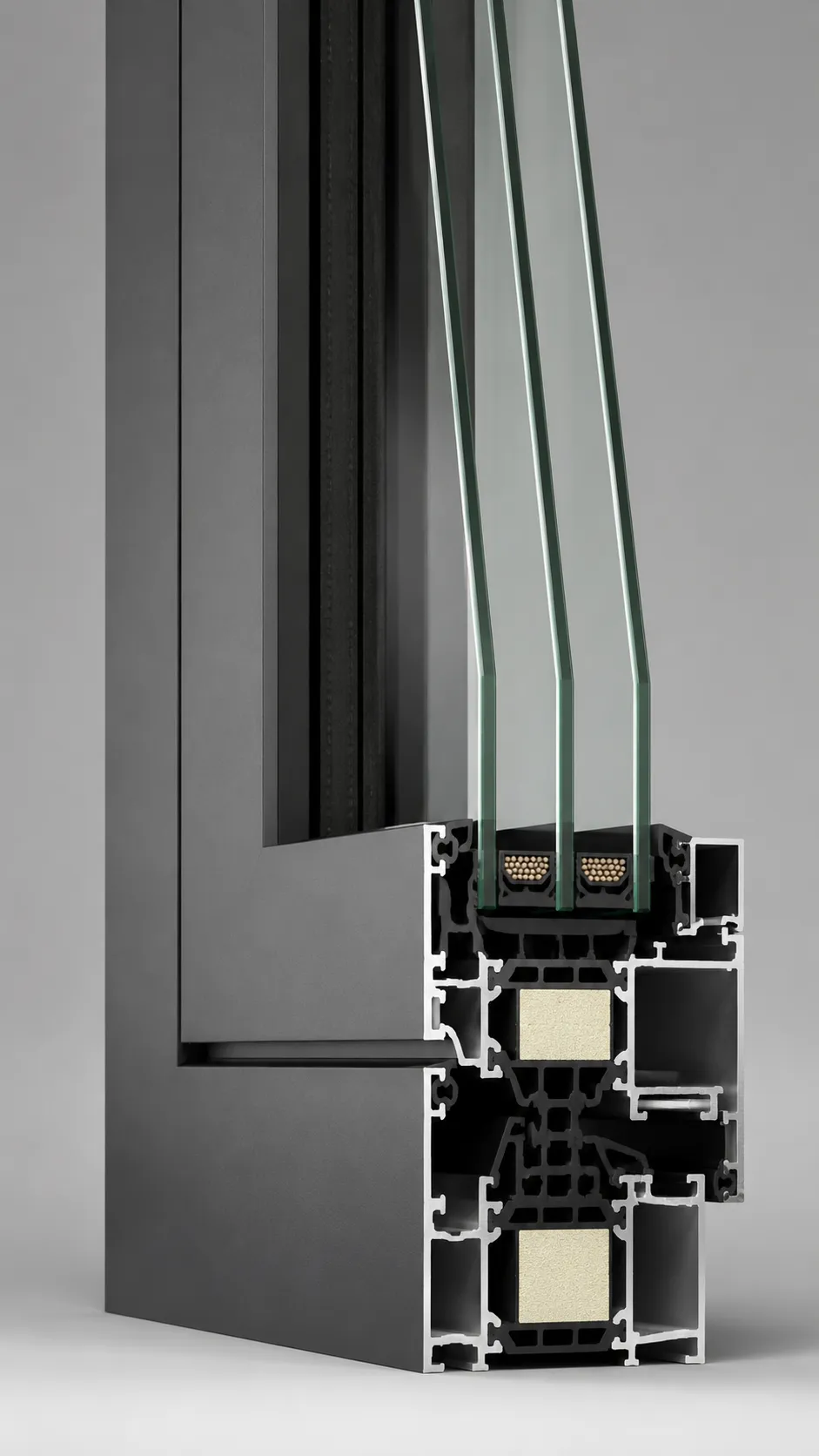
Number One Windows and Doors supplies and installs double and triple-glazed units across residential homes, new builds, renovations, and commercial projects throughout Christchurch and Canterbury. Every unit is specified in consultation with our team and glazed by Omega Windows, one of New Zealand's leading glass manufacturers.
Whether you're replacing single-glazed windows in an older Canterbury home, specifying glazing for a new architectural build, or upgrading an existing double-glazed installation to a higher performance specification, we handle the full process from the first conversation through to installation and sign-off.
.avif)
Number One at Windows
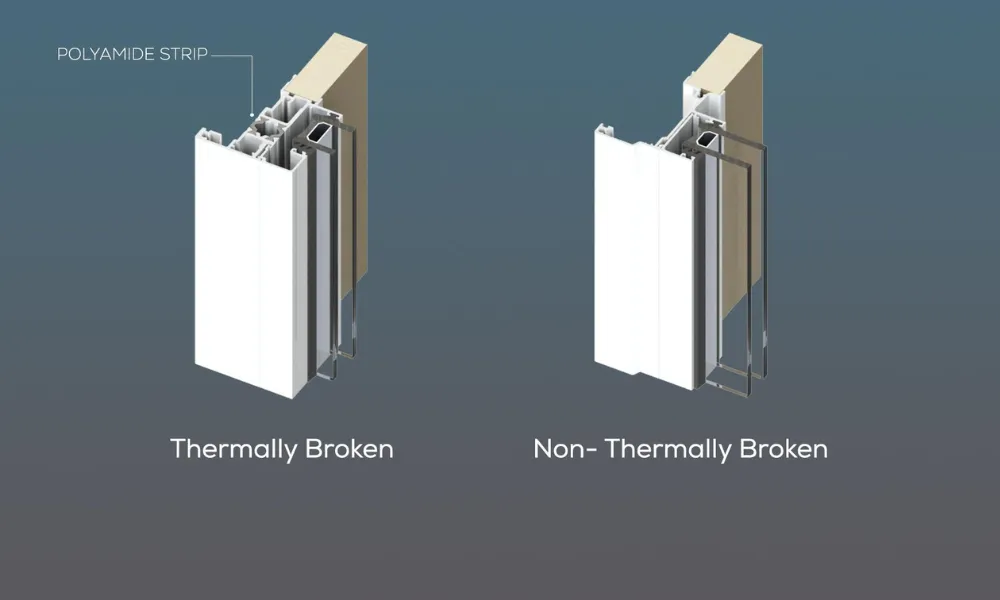
Whether you're after standard non-thermal options or thermally broken frames for superior insulation, we offer a full range of window styles — including awning, casement, sliding, bi-fold, and fixed windows — all double-glazed for maximum energy efficiency, noise reduction, and year-round comfort. Every window is custom-measured, precision-installed, and built to handle Canterbury’s diverse climate, with sleek modern finishes and low-maintenance durability.
Number One at Doors
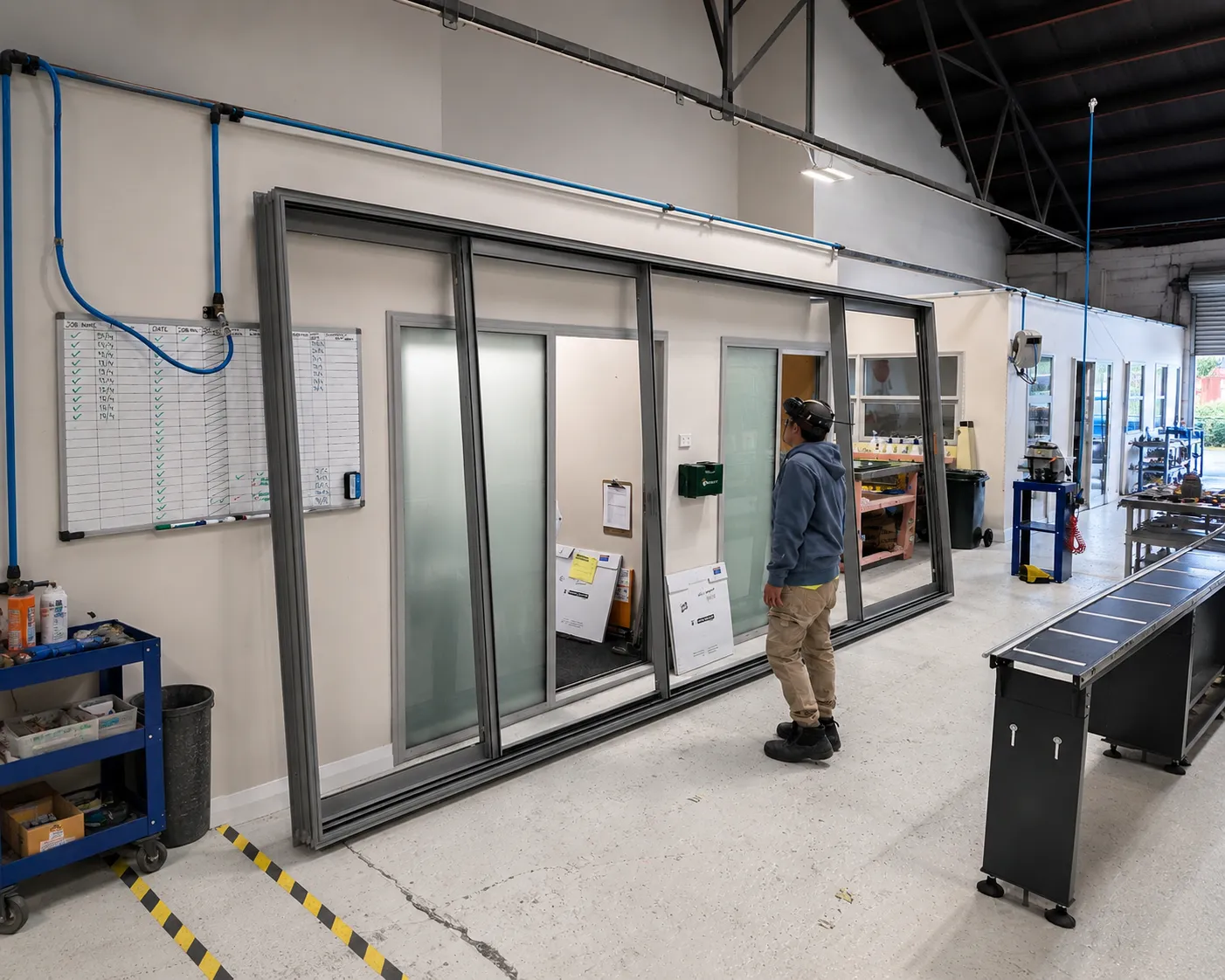
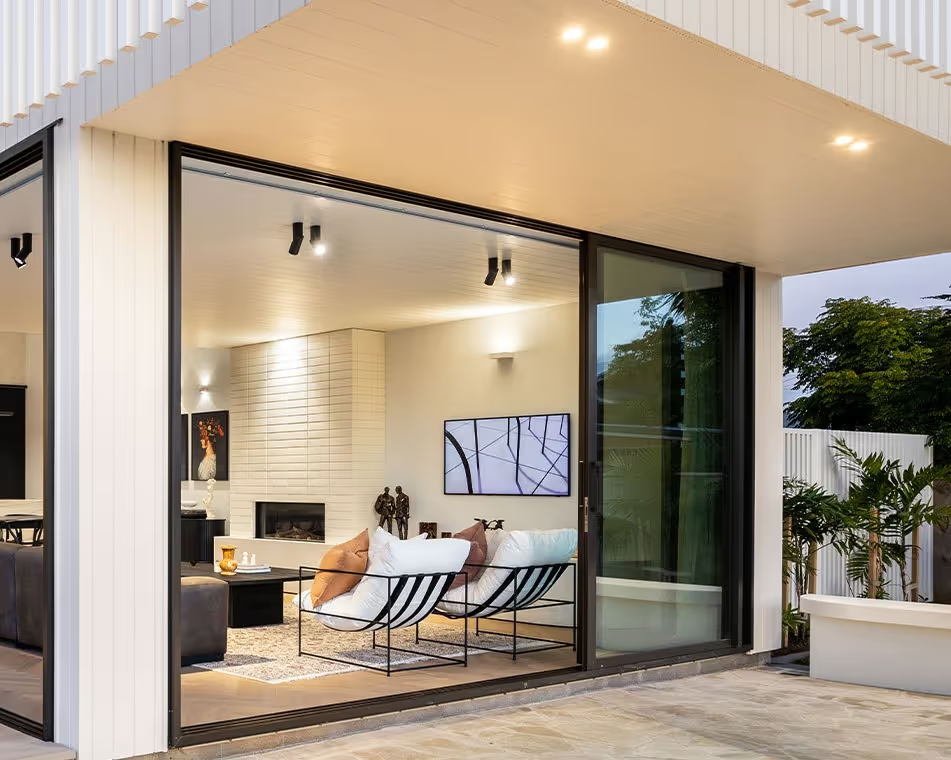
From the reliable Omega 300 Series to the high-performance, thermally broken 800 Series, our doors are built for style, durability, and insulation. Choose from hinged, French, sliding, stacking, or bi-fold configurations — all double-glazed to enhance energy efficiency, reduce noise, and provide year-round comfort. Every door is custom-made to suit your space and lifestyle, with sleek profiles, smooth operation, and finishes that complement your home. Whether you're building new or upgrading tired joinery, we handle the full process — from consultation to installation.
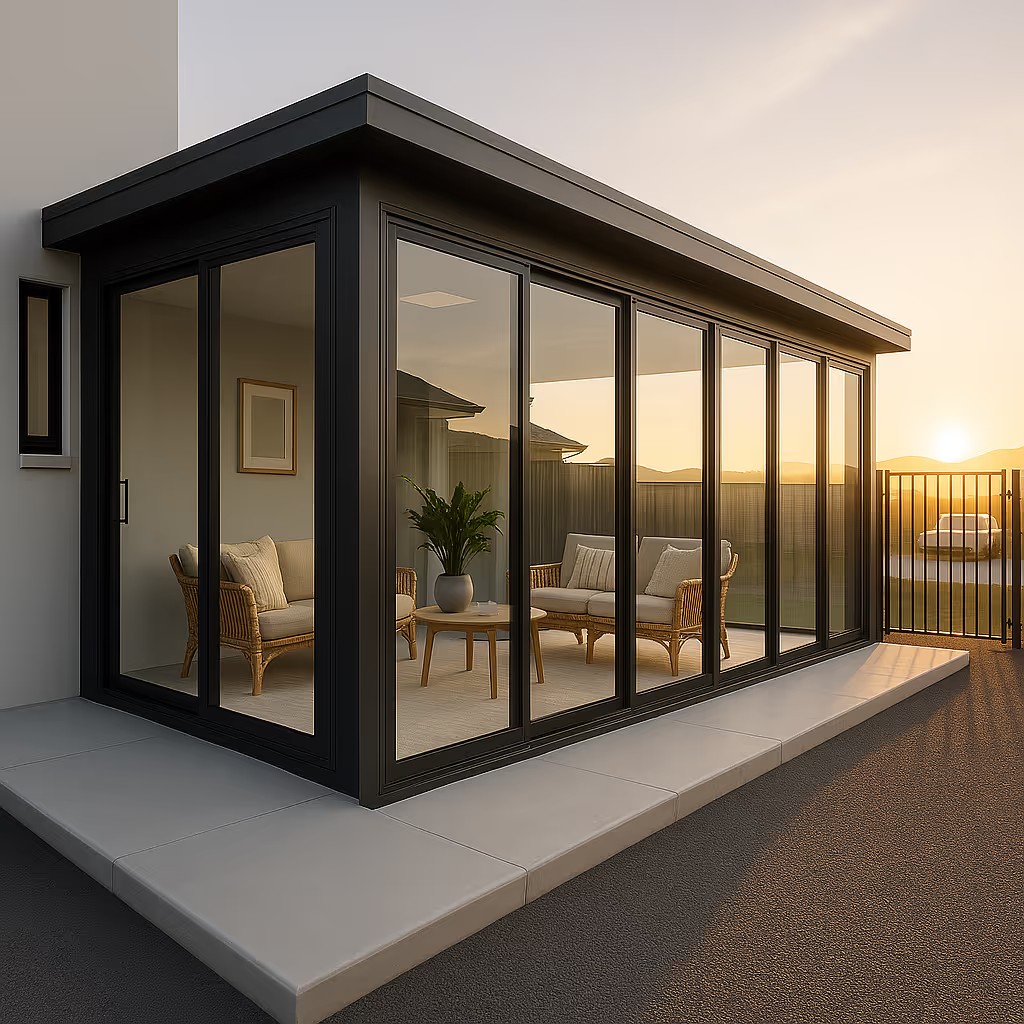
Number One at Conservatories
Whether you're adding to an existing property or building new, a conservatory offers the perfect, temperature-controlled space between indoors and out — ideal for dining, relaxing, working, or simply soaking up the sun. Our conservatories are built with high-performance double glazing and modern aluminium joinery for year-round comfort, thermal efficiency, and lasting durability. More than just an extra room, a well-designed conservatory floods your home with natural light, boosts property value, and creates a warm, versatile space you’ll use every day. Custom-designed to suit your home and lifestyle, we manage the process from concept to completion — delivering light, space, and comfort.
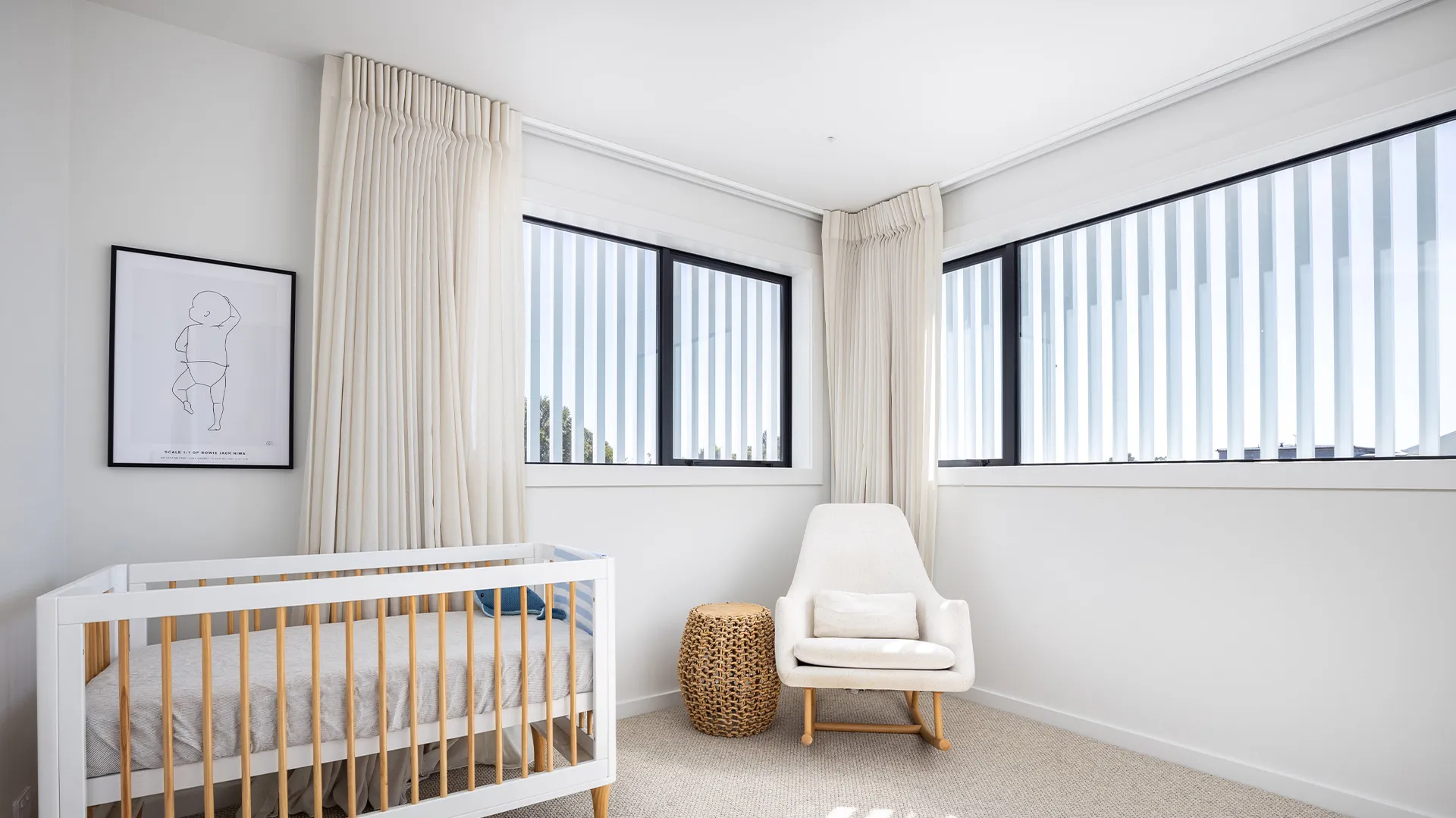
Number One at Replacements
At Number One Windows and Doors, we’re your local window replacement specialists, trusted by homeowners across Christchurch and Canterbury. We remove outdated, inefficient joinery and replace it with high-performance, double-glazed aluminium windows built to suit your home and climate. Whether it’s a like-for-like retrofit or a full replacement using Omega’s 300 or 800 Series systems, we ensure a smooth process from consultation to install — with minimal disruption and maximum thermal comfort. Backed by trusted suppliers and expert workmanship, we make replacing your windows a smart, long-lasting investment in your home.
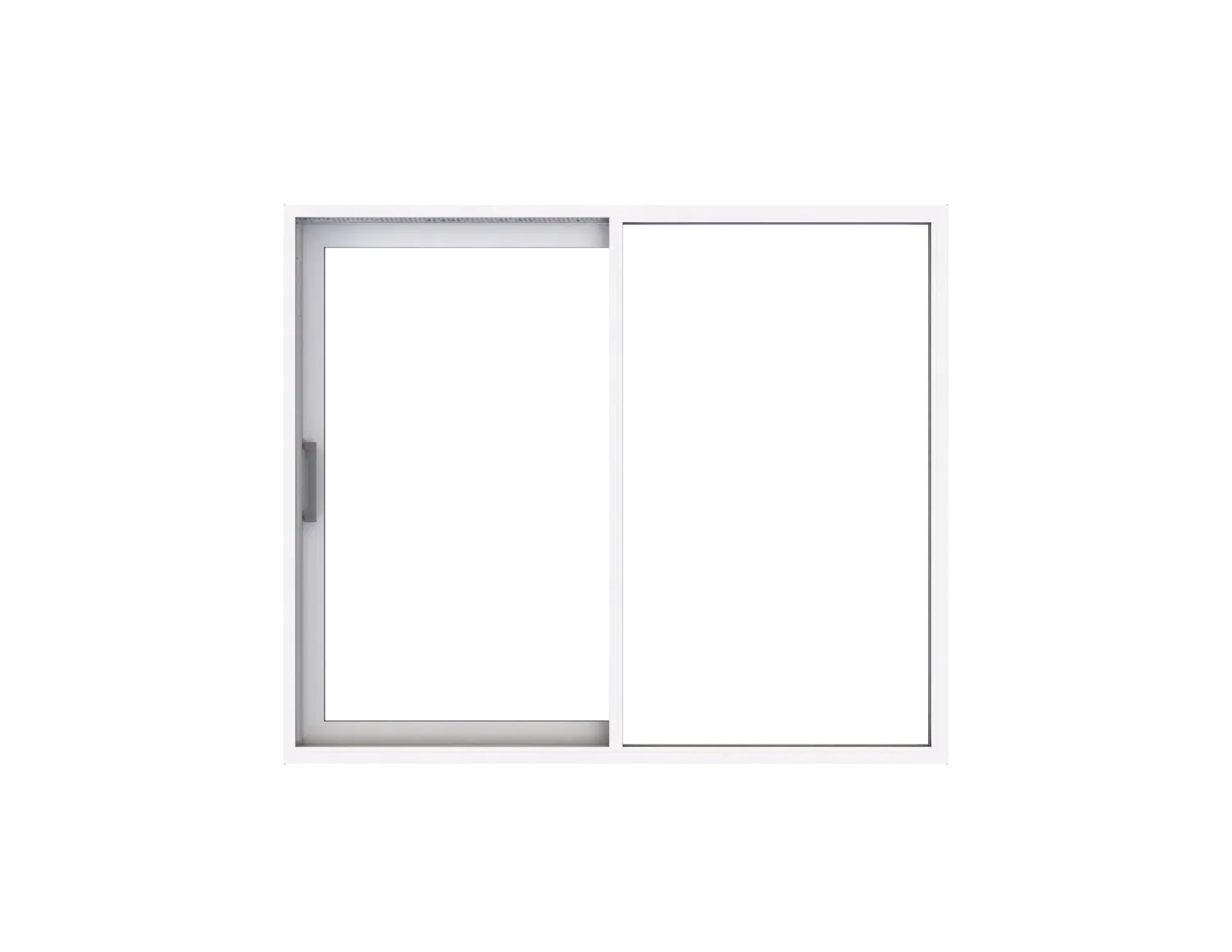
800 Series
We proudly supply and install the full Omega 800 Series – a premium, thermally broken aluminium joinery system designed for superior performance in Canterbury’s varied climate. Ideal for both residential and architectural builds, the 800 Series offers enhanced energy efficiency, strength, and design flexibility, making it perfect for modern homes that demand comfort and durability.
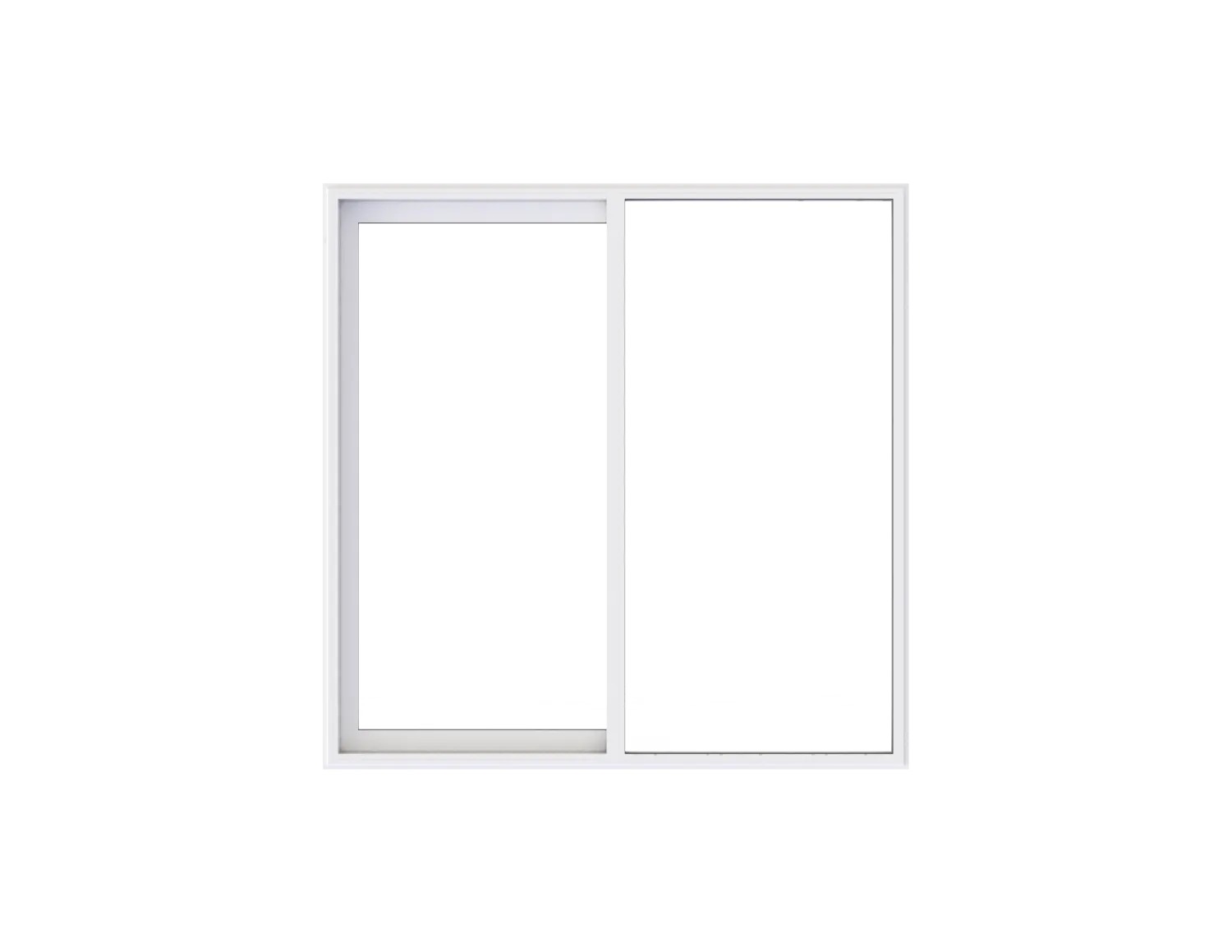
300 Series
we offer the trusted and versatile Omega 300 Series – a reliable aluminium joinery system ideal for residential homes and renovations throughout Christchurch and Canterbury. Designed as a non-thermally broken suite, the 300 Series delivers excellent durability, clean modern lines, and seamless functionality at an affordable price point.
-min.webp)

.webp)

